2026 Best Outdoor Patio Furniture Reviews and Buying Guide?
Outdoor patio furniture can transform any backyard into a charming retreat. The right selection enhances comfort and style. In 2026, the market for outdoor patio furniture has plenty to offer.
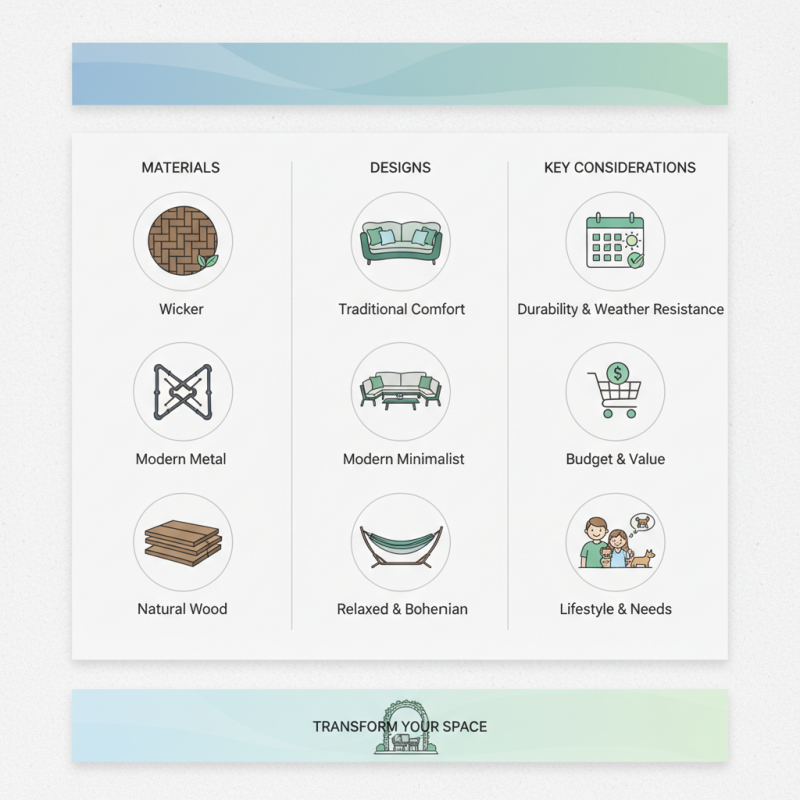
Choosing the perfect pieces can be overwhelming. There are various materials, designs, and prices to consider. For example, wicker offers a traditional feel, while metal provides a modern touch. Each option has its pros and cons.
Investing in quality outdoor patio furniture is essential. Even small changes can make big impacts on your outdoor space. However, it's crucial to reflect on your needs. What will best suit your lifestyle? Finding balance between style and functionality is key.
Understanding Different Types of Outdoor Patio Furniture Available
When choosing outdoor patio furniture, understand the types available. Each style offers unique features and materials that cater to different needs. For instance, metal furniture is durable and weather-resistant. However, it can be hot in the sun and cold at night. Consider your climate when selecting.
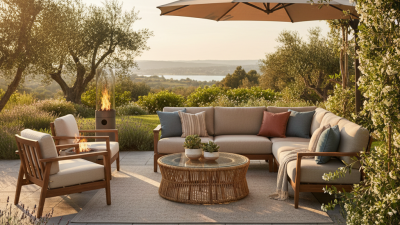
Wooden furniture brings warmth and charm. Teak is popular, but it requires maintenance. It may warp or crack without proper care. Some people overlook this detail, leading to disappointment.
Tips: Regularly treat wooden surfaces to protect them from the elements. For metal pieces, look for protective coatings to enhance durability.
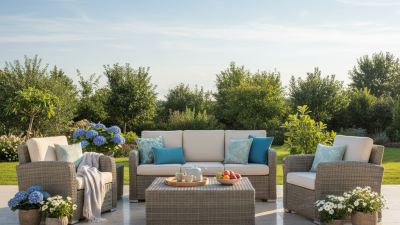
Another option is wicker furniture, which is lightweight and stylish. It fits well in small spaces. Yet, it may not handle intense weather well. Ensure you store it properly during off-seasons. Each type has its pros and cons. Evaluate your lifestyle and environment before deciding.
Key Factors to Consider When Buying Outdoor Patio Furniture
When shopping for outdoor patio furniture, several key factors come into play. Start by assessing material options. Popular choices include wood, metal, and resin. Each has its pros and cons, affecting durability and maintenance. Weather-resistant materials tend to last longer, while less robust options may require more care.
Consider the size and layout of your space. Measure your patio to ensure a comfortable fit for your furniture. Oversized pieces can make the area feel cramped. Think about how many people will use the space. It’s crucial for your furniture to accommodate gatherings without overcrowding.
Don’t forget about comfort. Cushions and seat height can greatly impact your outdoor experience. Test furniture in-store if possible. Sometimes, items that look good may not feel right. Reflect on your style preferences as well. A cohesive look enhances the outdoor vibe. Maintaining a balance between aesthetics and functionality can be challenging but rewarding.
2026 Best Outdoor Patio Furniture: Comparison of Key Features
Top Brands and Models of Outdoor Patio Furniture for 2026
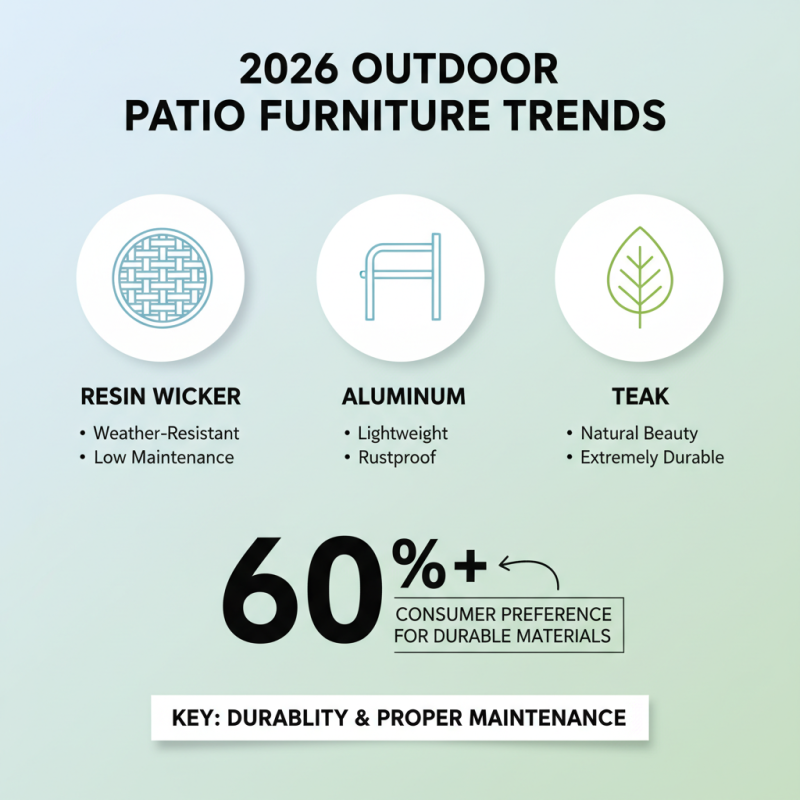
When choosing outdoor patio furniture for 2026, it’s crucial to consider the variety of available options. Reports show a significant shift towards durable materials that withstand harsh weather conditions. Resin wicker, aluminum, and teak are leading materials this year, capturing over 60% of consumer preferences. Each material offers unique benefits, but they all require proper maintenance to stay in top form.
The market research indicates a growing preference for multifunctional furniture. Many consumers opt for sofas that convert into sun loungers, or tables that double as storage. This trend reflects a desire for versatility and efficiency in outdoor spaces. A recent study suggests that around 55% of buyers focus on furniture that provides both comfort and functionality. However, many still overlook the importance of size and space. It’s easy to be swayed by style, yet mindful measurements are vital for a harmonious outdoor setup.
Color and design are not just aesthetic choices. They significantly impact the outdoor ambiance. Vibrant hues can energize a space, while neutral tones provide a calming effect. However, finding the right balance can be tricky. Not everyone considers how colors and styles affect overall enjoyment. It’s essential to reflect on personal preferences, ensuring that outdoor furniture enhances your lifestyle while also fitting the environment.
Maintenance Tips to Extend the Life of Your Patio Furniture
To ensure your outdoor patio furniture lasts, proper maintenance is essential. A study by the American Society of Landscape Architects indicates that well-maintained patio sets can last up to 15 years longer than neglected ones. Regularly cleaning your furniture prevents dirt and mildew buildup. Use a mild soap solution and a soft brush for routine cleaning. Avoid harsh chemicals that can damage finishes.
Inspect your furniture periodically for signs of wear or rust. This is crucial for metal pieces, as corrosion can lead to more significant issues. Applying a protective sealant annually can greatly extend the life of wooden furniture. According to the Patio and Garden Furniture Association, sealing wood can prevent cracking and splitting, significantly prolonging its usability.
Storing your furniture during harsh weather conditions is another key factor. Many people overlook this step. Even high-quality sets can degrade if left exposed to extreme temperatures. Covering or storing your furniture in a dry location can make a remarkable difference. Remember that minor repairs done promptly can prevent the need for major replacements later. Keeping a close eye on your furniture can lead to a longer lifespan and enhance your outdoor experience.
2026 Best Outdoor Patio Furniture Reviews and Buying Guide
| Furniture Type |
Material |
Comfort Level |
Weather Resistance |
Maintenance Tips |
| Dining Set |
Wood |
High |
Moderate |
Apply wood sealant annually |
| Lounge Chair |
Aluminum |
Very High |
High |
Clean with mild soap, store indoors during winter |
| Coffee Table |
Glass |
Medium |
Low |
Use tempered glass for safety, clean regularly |
| Sectional Sofa |
Synthetic Resin |
High |
High |
Cover when not in use, clean spills immediately |
| Umbrella |
Fabric |
Medium |
Moderate |
Store folded during off-season, wash with mild detergent |
Popular Materials Used in Outdoor Patio Furniture Design
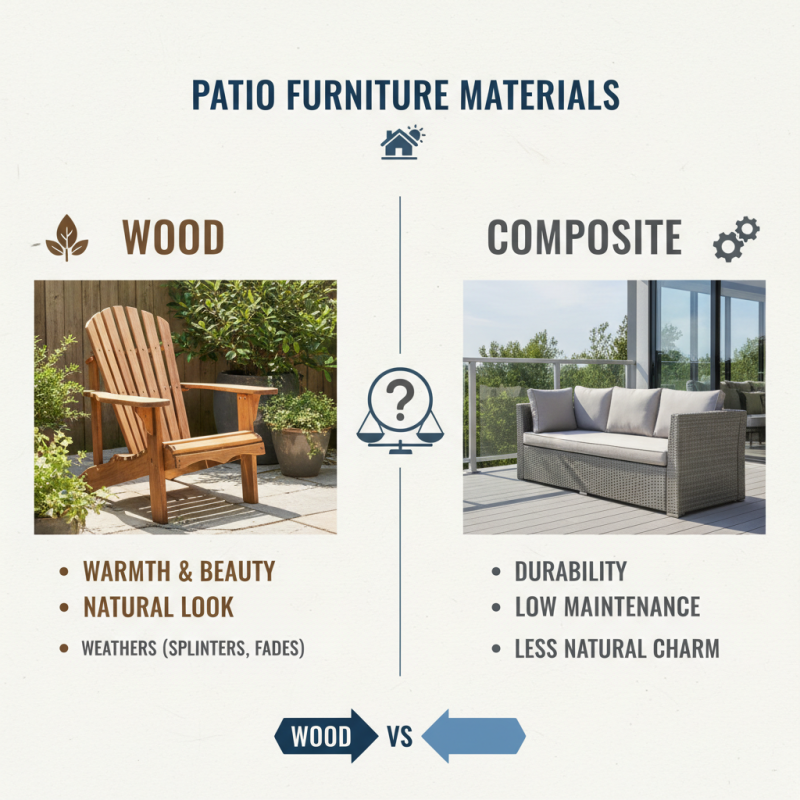
When selecting outdoor patio furniture, the materials play a crucial role. Many people focus on aesthetics but often overlook practicality. For instance, wood is a popular choice. It offers warmth and beauty, creating a natural look. However, untreated wood can face weathering issues. This can lead to splinters and fading. Composite materials provide durability, but they may lack the charm of real wood.
Metal is another common option. Aluminum is lightweight and resistant to rust. This makes it easy to rearrange. On the downside, it can feel cold to the touch. Steel offers strength but can rust if not coated properly. Cushions made from acrylic or polyester add comfort. Yet, they require regular cleaning to prevent mold growth. Finding the right balance is essential for lasting enjoyment. Each material has its pros and cons. Choosing one involves assessing personal needs and local weather conditions.