2026 Top Outdoor Furniture Sofa Trends to Enhance Your Patio Style?
Elevating your outdoor space is essential as we approach 2026. Outdoor Furniture Sofa trends are shifting, focusing on comfort and style. Many people seek to create a welcoming patio environment for family and friends.
Today’s outdoor furniture sofas are not just functional; they are also a reflection of personal style. Bold colors and unique designs capture attention. However, choices can overwhelm; it’s easy to forget what truly resonates with your taste.
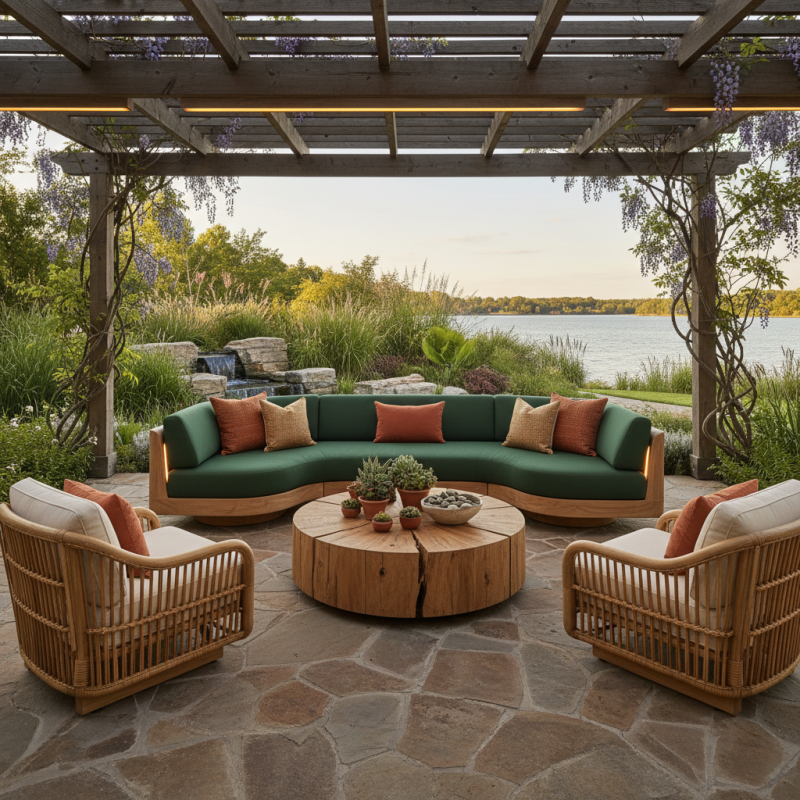
Consider adding elements that reflect nature, like earthy tones and organic materials. The right Outdoor Furniture Sofa can transform your space into a cozy retreat. Yet, remember that it’s crucial to invest in pieces that align with your lifestyle. Make choices that you won't regret. Balancing aesthetics with comfort can be challenging but rewarding.
Emerging Materials for Outdoor Sofas in 2026
In 2026, outdoor furniture design will heavily feature innovative materials. Designers and manufacturers are exploring options to enhance aesthetics and durability. According to a recent industry report, 70% of consumers prioritize sustainability when purchasing outdoor furniture. This shift drives the demand for eco-friendly materials.
Recycled plastics and teak alternatives are gaining popularity. These materials are appealing due to their low maintenance and resistance to weathering. The report noted that outdoor sofas made from these composites can last up to 15 years. Yet, some consumer feedback reveals a hesitance about their comfort level compared to traditional fabrics. This gap offers an opportunity for improvement.
Incorporating textiles like solution-dyed acrylic is also trending. It provides vibrant colors and is resistant to fading. Around 60% of outdoor sofa buyers are looking for solutions that combine style and function. However, there is still work to be done. The challenge remains in producing more lightweight options without sacrificing strength. Balancing innovation and user comfort is crucial for the future of outdoor sofa design.
2026 Top Outdoor Furniture Sofa Trends
Color Trends: Palette Choices for Stylish Patios
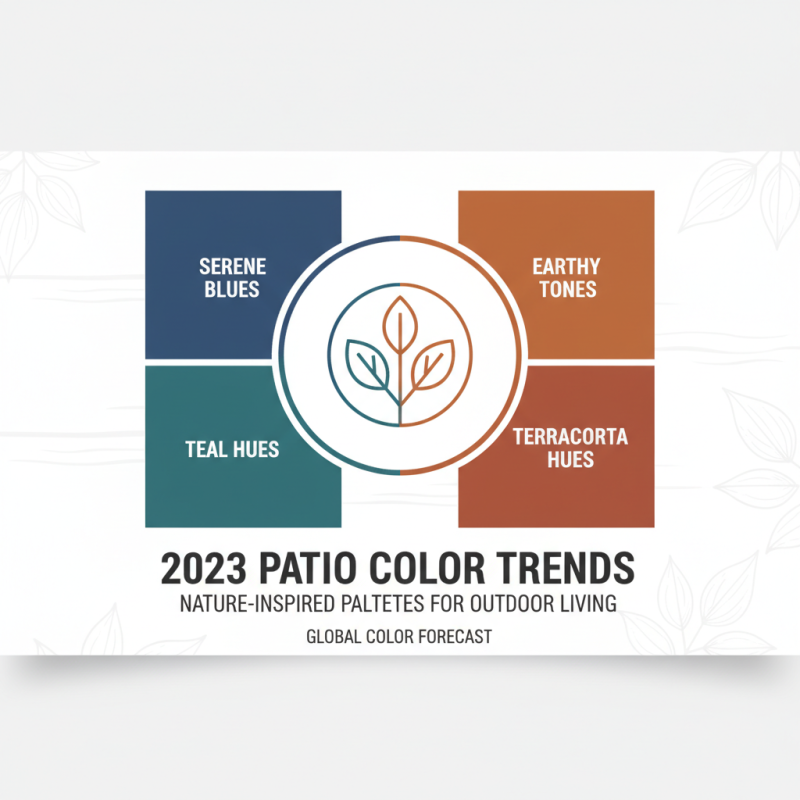
When it comes to patio design, color plays a vital role in creating inviting spaces. According to the 2023 Global Color Forecast, serene blues and earthy tones dominate the outdoor furniture trends. These colors not only evoke a sense of calm but also blend beautifully with nature. The use of teal and terracotta hues can transform a bland outdoor area into a stylish retreat. This shift toward nature-inspired palettes reflects a growing consumer desire for connection to the environment.
Bright accents are also making a resurgence. Vivid yellows and vibrant greens are on the rise, with a 30% increase in consumer preference reported by the Outdoor Design Institute. These lively colors can elevate a patio's energy, perfect for gatherings or relaxation. However, choosing the right combination is crucial. Overusing these bold colors may overwhelm the space. Balance is key; subtle tones can provide grounding amidst vivid accents.
Texture adds depth to color choices. Fabrics like woven styles or soft cushions enhance visual interest. Reports show that textures in outdoor furniture have become a focal point, increasing by 40% in consumer demand. It’s essential to experiment with these elements while maintaining coherence in design. Oversaturation of color might necessitate rethinking the overall aesthetic. Reflecting on these choices helps create an outdoor haven that mirrors both style and comfort.
Design Styles: From Minimalism to Bohemian in Outdoor Sofas
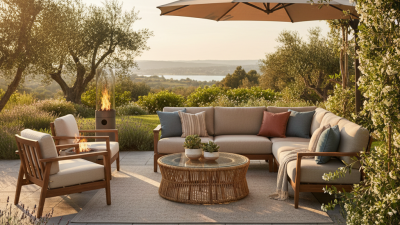
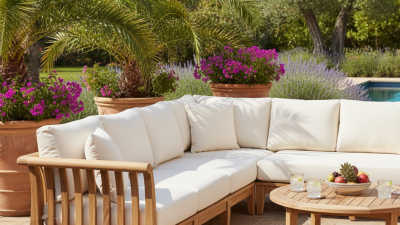
In 2026, outdoor furniture sofas are shifting to reflect diverse design styles. Minimalism is making a strong comeback. Clean lines and neutral colors dominate this aesthetic. It creates a calm and organized outdoor space. Imagine a sleek white sofa adorned with simple, earthy cushions. This look invites relaxation without overwhelming the senses.
On the other end of the spectrum, the bohemian style thrives with vibrancy. Layered textiles, bold patterns, and mismatched accessories create an eclectic atmosphere. Picture a cozy sofa draped with colorful throws and surrounded by potted plants. The playful mix encourages a laid-back vibe, ideal for social gatherings. Yet, one must consider how this style can sometimes feel chaotic. Balancing harmony in such spaces can be challenging.
Exploring these styles opens a world of possibilities. Each has its unique appeal, but finding your perfect fit might take time. Personal preference fluctuates, and that’s okay. Embrace the journey of discovering what works in your patio. The goal is to create a space that reflects your individuality while remaining functional.
Functional Features: Innovative Additions to Enhance Comfort
Creating a comfortable outdoor space is essential for enjoying warm evenings. As we step into the 2026 outdoor sofa trends, functional features take center stage. Think beyond aesthetics. Imagine sofas with built-in coolers to store drinks. That’s convenience at your fingertips.
Innovative materials are making waves. Eco-friendly fabrics are not only stylish but also weather-resistant. Picture a vibrant sofa that withstands the sun and rain, retaining its beauty. Not everything is perfect, though. Some materials fade quicker than expected. Regular maintenance is key to longevity.
Adjustable seating is another emerging trend. Sofas that transform into lounge chairs add versatility. Imagine hosting friends and easily rearranging the layout. However, flexibility can come with trade-offs, such as stability issues. You might find yourself checking for sturdiness constantly. In this ever-evolving outdoor furniture landscape, balancing innovation and practicality is crucial.
Sustainability in Outdoor Furniture: Eco-Friendly Trends to Watch
The outdoor furniture industry is experiencing a significant shift towards sustainability. Consumers are increasingly choosing eco-friendly options. According to a recent survey, 58% of consumers prefer brands that use sustainable materials. This change is not just a trend; it reflects growing environmental awareness.
Materials like reclaimed wood and recycled metals are becoming popular. They offer both durability and style. The use of bamboo, as an alternative, shows promise due to its fast growth and renewability. Many manufacturers are now highlighting their green practices. For instance, furniture made from 100% recycled materials minimizes waste. Yet, some still use harmful adhesives in production. This contradiction needs more attention.
Designs are also evolving to reflect this focus on the environment. Sofas shaped with organic curves often use natural fabrics. These textiles, made from organic cotton or hemp, reduce environmental impact. Still, challenges remain. Sustainable options can sometimes be more expensive. Consumers may hesitate to invest. However, the long-term benefits often outweigh the initial costs. Adaptation in consumer habits is vital for progress in this sector.