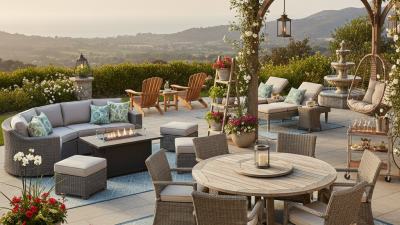
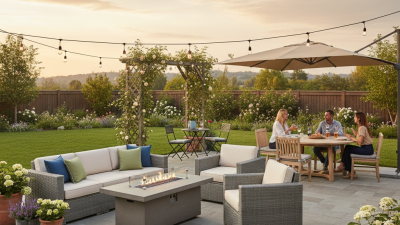
2026 Top Patio Furniture Trends Buyers Should Know?
As we approach 2026, the furniture patio industry is poised for significant transformation. Trends are emerging that reflect changing consumer behaviors and sustainability concerns. According to the recent "Patio Furniture Market Report," sales in this sector are expected to grow by 8% annually, driven by a desire for outdoor living spaces. Industry expert Jane Smith notes, "Consumers are looking for sustainable solutions without compromising on style."
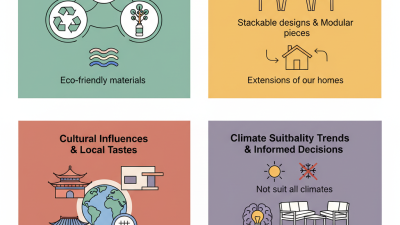
Innovation will play a critical role in shaping the future of furniture patio designs. Materials like recycled plastics and eco-friendly fabrics are gaining popularity. Durable yet stylish products will appeal to homeowners seeking both aesthetics and functionality. The rise of multifunctional furniture is also notable, allowing for smaller spaces to maximize utility.
However, challenges persist. Manufacturers must balance cost with quality. The market is saturated, which can dilute brand identity. Consumers, while informed, are often overwhelmed by choices. Reflecting on these trends, the furniture patio market must adapt quickly to remain relevant and competitive.
2026 Top Trends in Patio Furniture Design and Aesthetics
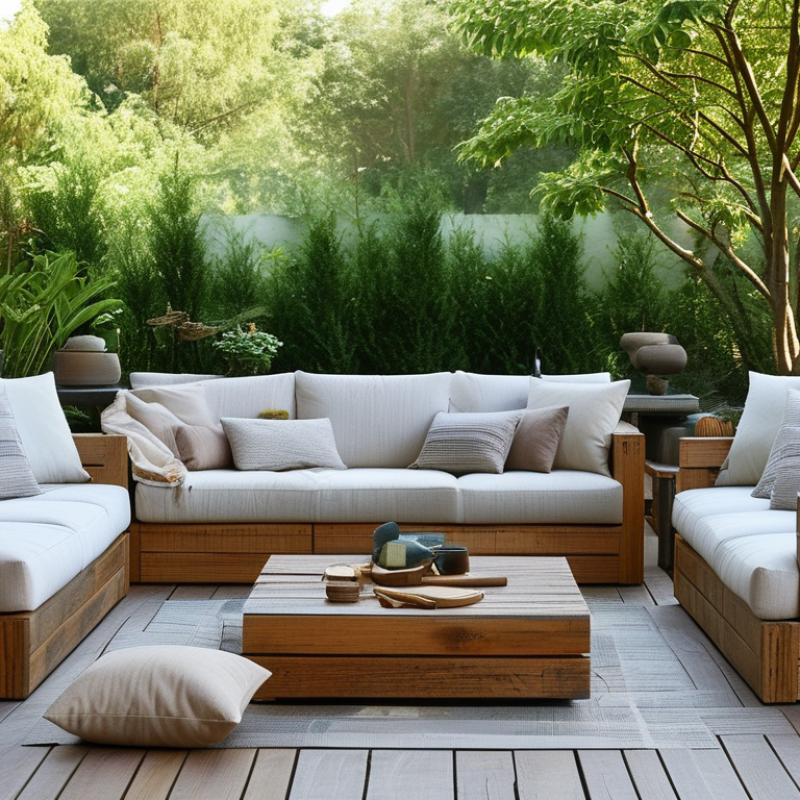
In 2026, patio furniture design is evolving. The focus is on sustainable materials. Many buyers are seeking eco-friendly options made from recycled resources. This shift reflects a growing awareness of environmental impact. Furniture crafted from natural fibers will also gain popularity. These materials offer a warm, inviting aesthetic.
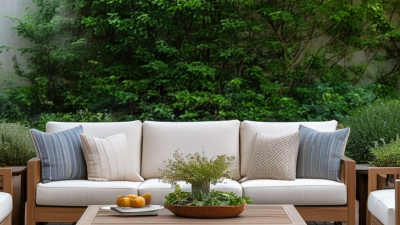
Color choices are changing too. Earthy tones dominate, bringing nature to outdoor spaces. Soft greens, rich browns, and muted neutrals will enhance relaxation. Bold colors, like deep blues and vibrant oranges, will add visual interest without overwhelming the senses. Textures also play a crucial role. Woven finishes and mixed materials add depth and character.
However, some trends might feel overdone. The minimalist style, while chic, can lack personality. It may become challenging to make spaces feel unique. Personal touches are essential to counteract this. Incorporating handmade pieces or local art can add charm. Reflection on balance will be important, as buyers seek comfort while maintaining style. It's all about finding what resonates personally.
Sustainable Materials: Eco-Friendly Choices for Outdoor Furniture
When selecting outdoor furniture, sustainability is key. Eco-friendly materials are gaining popularity for good reason. Buyers are increasingly conscious of their environmental footprint. Using sustainable resources contributes to a healthier planet.
Many types of eco-friendly materials are available. Bamboo is a strong choice; it grows rapidly and absorbs carbon dioxide. Recycled plastic is also popular. It reduces waste while creating durable and weather-resistant furniture. These materials are not only good for the environment but also stylish and functional.
Tips for selecting sustainable furniture: Check for certifications that indicate eco-friendly materials. Look for products made from renewable resources. Consider the lifespan of the furniture; long-lasting pieces are more sustainable. Keep an eye on local artisans; they often use reclaimed materials, adding character to each piece. Remember, your choices can make a difference. Embrace sustainability where possible, and enjoy your outdoor space without guilt.
Versatile Outdoor Spaces: Multi-Functional Furniture for Patios
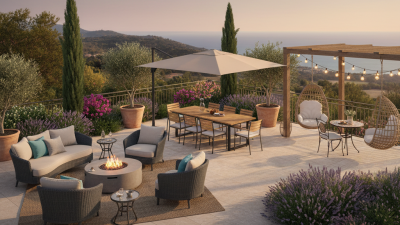
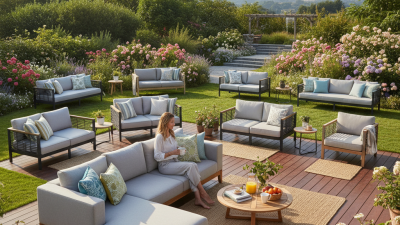
The rise of versatile outdoor spaces continues to shape the patio furniture market. Multi-functional pieces are essential for maximizing every inch of outdoor living areas. This trend reflects the necessity for items that adapt to different needs and occasions. For instance, a stylish coffee table can double as a dining surface. Similarly, modular seating can easily rearrange to accommodate various gatherings.
Designers are focusing on functionality without sacrificing aesthetics. Consider a bench that offers hidden storage for cushions or gardening tools. Such features enhance practicality while keeping spaces uncluttered. Increasingly, buyers seek items that transition seamlessly from day to night. Daybeds that transform into lounge areas are particularly popular, especially during summer evenings.
However, it's crucial to balance beauty with durability. Outdoor conditions can be harsh, and materials must withstand the elements. Buyers must reflect on their choices carefully to avoid frequent replacements. Sustainability is another vital aspect, as consumers become more environmentally conscious. Responsibly sourced materials should be a priority. Seeking pieces that combine elegance and resilience will truly serve today’s outdoor lifestyles.
Color Palettes and Patterns: Popular Styles for 2026
As patio furniture trends evolve, color palettes and patterns are key in 2026. According to a recent industry report, natural hues are gaining traction. Beige, soft greens, and terracotta tones dominate the market. These shades create a serene connection with nature, ideal for outdoor spaces. Darker accents like navy blue or deep forest green can add depth.
Patterns also play a crucial role. Geometric designs are particularly popular this year, bringing a modern flair. Floral motifs, however, will not fade away. They offer a timeless charm many buyers still appreciate. Unexpected pattern combinations can create unique outdoor aesthetics. This playful mix reflects individual personality.
Market research indicates that 64% of consumers prioritize color and pattern when choosing patio furniture. Yet, it’s essential to balance between trendy and lasting appeal. Trends can shift quickly. Investing in versatile pieces that can adapt is wise. Buyers should consider how colors and patterns can enhance their space but also withstand the test of time.
Integrating Technology: Smart Features in Patio Furniture
Patio furniture is evolving. The integration of technology is reshaping outdoor spaces. Smart features are becoming a staple in modern designs. Imagine having a sunshade that adjusts automatically based on sunlight. Or chairs equipped with wireless charging ports. These innovations bring convenience and comfort to outdoor living.
Smart lighting systems are gaining popularity as well. They enhance ambiance while providing safety. Imagine hosting a dinner party where lights adjust to match the mood. Step outside and the lights respond to your presence, creating a welcoming atmosphere. This technology is not just functional; it adds a touch of luxury.
When selecting smart patio furniture, consider your needs. Look for features that enhance your outdoor experience. Ensure the technology integrates seamlessly with your lifestyle. Maintenance is also important. Some smart features may require updates or troubleshooting. Test the functionality before making a commitment. Getting to know your new setup will maximize its benefits.