Best Outdoor Patio Dining Sets for Your Home in 2026?
As we approach 2026, the appeal of outdoor spaces becomes increasingly pronounced. In the realm of Outdoor Patio Dining Sets, the right choice can transform your backyard into a culinary oasis. Renowned interior designer Lisa Grant emphasizes this trend, stating, "The right dining set can make your outdoor meals memorable."
When selecting an Outdoor Patio Dining Set, consider factors like material, size, and comfort. Weather-resistant materials enhance durability, while ergonomic designs ensure comfort during long meals. This year, innovation plays a critical role. Brands are now offering modular options that adapt to various spaces seamlessly.
While aesthetics are important, functionality shouldn’t be overlooked. It's essential to choose a set that complements your lifestyle. Reflecting on our past choices can guide us. Did our previous set allow for spontaneous gatherings? Did it meet our needs? By asking these questions, we can make more informed decisions regarding Outdoor Patio Dining Sets.
Top Trends in Outdoor Patio Dining Sets for 2026
In 2026, outdoor patio dining sets are evolving to meet changing consumer preferences. Based on recent market research, the outdoor furniture market is projected to grow significantly, reaching approximately $21 billion by 2026. This growth reflects a strong demand for stylish, functional, and durable dining solutions for outdoor spaces.
Top trends include sustainable materials. Consumers increasingly prioritize eco-friendly options. Aluminum and reclaimed wood are becoming popular. These materials not only offer durability but also appeal to eco-conscious buyers. According to the latest industry report, 48% of consumers are willing to pay more for sustainable furniture.
Comfort is another vital aspect. Cushioned seating and ergonomic designs enhance the outdoor dining experience. In addition, modular sets are gaining traction, allowing for flexibility in setup. This modularity caters to diverse outdoor spaces. However, while trends shift towards comfort and aesthetics, maintaining resilience against weather conditions remains a challenge. Brands must find a balance. Adapting to weather extremes can be complex.
Key Materials Used in Patio Dining Furniture for Durability
When selecting outdoor patio dining sets, material choice is crucial for durability. Aluminum is a popular option; it's lightweight and resistant to rust. You can find designs that mimic wood, giving a classic look with less maintenance. However, aluminum can get hot in direct sunlight, so plan for shading.
Teak wood is another excellent material. Its natural oils prevent moisture absorption, making it perfect for outdoor use. Teak furniture can last for decades with proper care. Yet, it may require occasional treatment to maintain its rich color and grain. Some people overlook this aspect, leading to a dull appearance over time.
Additionally, wicker is often chosen for its aesthetic appeal. High-quality resin wicker withstands the elements better than natural fibers. It's resistant to fading and cracking. However, not all wicker is created equal. Some cheaper options wear down quickly. Always check warranties and materials to ensure you're investing wisely.
Durability of Key Materials Used in Patio Dining Furniture (2026)
Styling Your Outdoor Space: Color and Design Choices for 2026
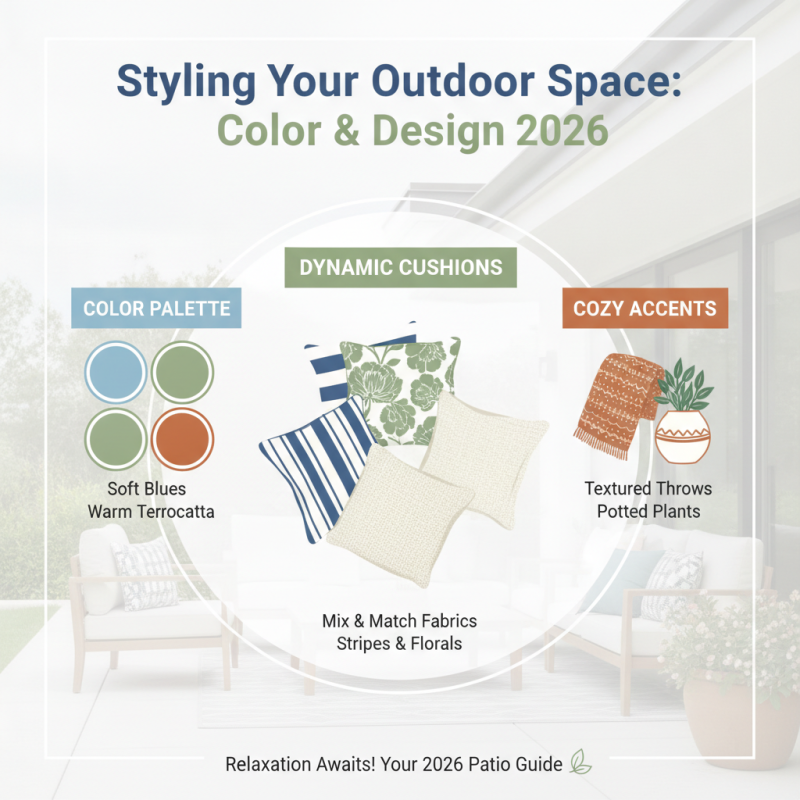
Creating a beautiful outdoor patio space in 2026 requires thoughtful color and design choices. Start by considering vibrant hues that evoke a sense of relaxation. Soft blues and greens can mimic natural surroundings, while warm terracotta can add a cozy feel. Mix and match cushions in various fabrics for a dynamic look. Patterns can also break the monotony—think stripes or floral prints.
Tips: Consider using weather-resistant fabrics for your cushions. This will ensure longevity and ease of maintenance. Seasonal changes can affect your color choices, so stay flexible. Revisit your design every few months to see what feels fresh and inviting.
Lighting plays a crucial role in ambiance. String lights, lanterns, or solar-powered fixtures can create a magical atmosphere at night. However, make sure your lighting choice complements your color scheme. Overly bright lights can clash with softer tones.
Tips: Test different lighting options before settling on one. Observe how your outdoor space feels at different times of day. Don’t hesitate to mix warm and cool light sources for added depth. Your patio should reflect your taste while providing a welcoming environment.
Maximizing Comfort: Cushions and Seating Options for Patio Dining Sets
When selecting outdoor patio dining sets, comfort is essential. Cushions play a key role. They're not just for decoration. A well-padded cushion can transform your dining experience. For example, thicker cushions often provide better support. They can make long meals more enjoyable and less tiring.
Choose cushions with weather-resistant fabric. This will help maintain their appearance and comfort. Look for materials like polyester or acrylic. These fabrics resist fading and mildew. You might consider cushions with removable covers. They’re easier to clean and maintain.
Seating options are also important to think about. Consider ergonomic designs that support your back. Bar stools, lounge chairs, and traditional dining chairs each provide unique comfort levels. Play around with different styles. You may discover that what looks good doesn’t always feel good. Finding the right combination can take time and experimentation. Don’t rush the process; comfort often takes reflection and adjustment.
Eco-Friendly Options: Sustainable Materials in Outdoor Furniture for 2026
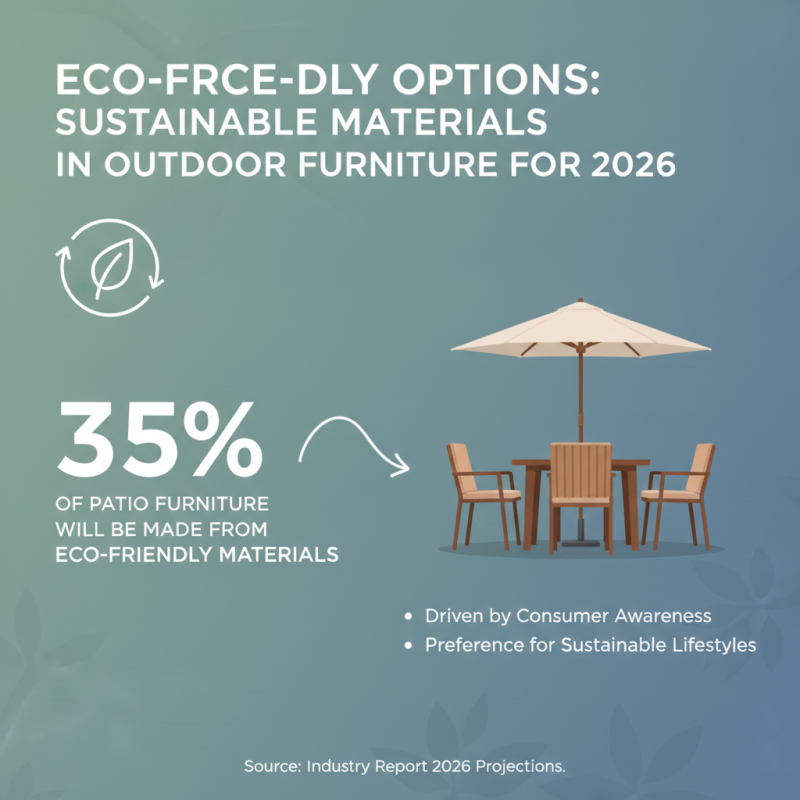
Outdoor dining sets are evolving, focusing on sustainability. By 2026, it's expected that 35% of patio furniture will be made from eco-friendly materials. This change is driven by growing consumer awareness and preference for sustainable lifestyles.
Many manufacturers are now using recycled plastics and sustainably sourced woods. For instance, furniture made from reclaimed wood not only reduces waste but also offers unique aesthetics. A recent industry report indicated that consumers are willing to pay up to 20% more for eco-friendly options. This shift highlights a desire for responsible consumption.
Despite this positive trend, challenges remain. Some eco-friendly materials may not always perform as well in outdoor conditions. For example, recycled plastics can be less durable than traditional materials. As a result, consumers might find themselves needing to replace items sooner than expected. This raises questions about the overall sustainability of some eco-friendly choices. It’s essential for buyers to weigh benefits against potential drawbacks when selecting outdoor furniture.