10 Essential Tips for Choosing the Best Patio Stools?
When it comes to selecting the perfect patio stools, expert insights can make all the difference. John Carter, a renowned outdoor furniture designer, states, "The right patio stools can transform your outdoor space into a personal retreat." Choosing patio stools involves more than just aesthetics; it’s about function, comfort, and durability.
Before diving into options, consider your space and style. Are you aiming for a modern look or a rustic vibe? The materials also matter. Wood offers warmth, while metal can bring a contemporary feel. But remember, not all materials withstand the elements equally. It's essential to assess how often your stools will be used and where they’ll be placed.
Don’t overlook comfort and height. A stool may look great but might not provide the support you need. Many people rush this process, leading to regret later. Invest time in understanding your needs. The right patio stools can enhance outdoor gatherings, but choosing the wrong ones can dim the ambiance. So, take a moment to reflect on what truly fits your lifestyle and taste.
Understanding Different Types of Patio Stools for Your Space
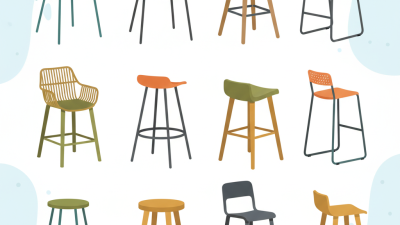
When selecting patio stools, understanding the various types available is key. Different styles cater to unique aesthetic preferences and functionality. For instance, traditional bar stools are often around 30 inches high, making them ideal for standard bar-height tables. Alternatively, counter-height stools, typically between 24-26 inches, suit a more relaxed dining atmosphere. Research by the American Furniture Manufacturers Association indicates that bar and counter stools currently make up 20% of outdoor furniture sales, reflecting their growing popularity.
Materials also play a critical role in stool selection. Metal stools are durable and weather-resistant but may require cushioning for comfort. Wooden options provide a classic feel but demand upkeep to combat rot and damage from the elements. Vinyl and plastic stools tend to be lightweight and easy to maintain, making them great for families with children. Each material has its pros and cons that must be weighed against your lifestyle and maintenance preferences. Understanding these nuances helps to make an informed choice that enhances your outdoor space.
Evaluating Material Durability and Weather Resistance for Outdoor Use
When it comes to outdoor patio stools, material durability and weather resistance are crucial factors. The right materials can withstand various weather conditions and last for years. Consider options like aluminum, which is lightweight and resistant to rust. Wicker or rattan chairs can add style but ensure they are treated for outdoor use. Plastic stools with UV protection can also be a solid choice.
Evaluate how these materials perform in sun and rain. Some woods, like teak or eucalyptus, naturally resist moisture but require regular maintenance. A finish can enhance longevity but may wear off over time. Be aware that not all finishes are equal.
Choosing the right patio stool involves a thoughtful approach. It’s essential to check reviews and highlights of any material before purchasing. Think about how the stool feels under different weather conditions. A stool may look great but might not hold up against heavy rain or intense sun. Make your selections based on your specific weather patterns and usage. The right choice will balance form and function beautifully.
Material Durability and Weather Resistance of Patio Stools
Considering Height and Comfort for Optimal Patio Stool Selection
Choosing the right height for patio stools is crucial for comfort. Too high or too low stools can lead to awkward seating positions. According to the American Society of Interior Designers, a comfortable seat height typically ranges from 28 to 32 inches for bar stools. For counter-height stools, the ideal height is between 24 to 27 inches. These measurements help create an enjoyable dining or relaxing experience outdoors.
Another essential aspect is comfort, particularly regarding the stool's design. Upholstered stools provide added cushioning, while wooden stools offer durability. Research from the International Furniture Design Association shows that ergonomic designs can reduce discomfort and encourage longer sitting periods. Attention to back support is also important. Stools with backs can alleviate strain during extended use, especially in social settings.
Visual appeal and functionality go hand in hand. Aesthetic choices should not compromise comfort. Consider the materials and shapes that blend with the ambiance of your patio. A mismatch can detract from the overall experience. Reflecting on these details leads to a more satisfying selection process, ensuring both style and comfort in your outdoor space.
10 Essential Tips for Choosing the Best Patio Stools
| Tip No. |
Tip |
Considerations |
Recommended Height |
| 1 |
Check the Height |
Bar height vs. counter height |
28-30 inches (counter height) |
| 2 |
Consider Ergonomics |
Comfortable seating position |
Seat height 10-12 inches below the table |
| 3 |
Look for Quality Materials |
Durability and weather resistance |
Varies by material |
| 4 |
Assess Weight Capacity |
Safety and stability |
300-400 pounds |
| 5 |
Choose the Right Style |
Match with patio decor |
N/A |
| 6 |
Consider Storage Options |
Foldable or stackable stools |
N/A |
| 7 |
Test for Comfort |
Sit on it before buying |
N/A |
| 8 |
Check for Stability |
No wobbling |
N/A |
| 9 |
Glide Options |
Feet or rubber pads for smooth movement |
N/A |
| 10 |
Budget Wisely |
Balance quality and cost |
$50-$300 per stool |
Assessing Style and Aesthetic to Match Your Outdoor Decor
Choosing the right patio stools is not just about comfort. Style and aesthetic play significant roles in enhancing your outdoor space. A recent survey revealed that 78% of homeowners prioritize the visual appeal of their outdoor furniture, reflecting a growing trend toward personalized outdoor decor.
When assessing style, consider your existing outdoor design. Traditional, modern, or bohemian aesthetics each require different stool styles. For instance, sleek metal stools fit a contemporary theme, while wooden stools can offer a rustic charm. Decorative elements like colors, textures, and patterns should echo your decor. Reports indicate that color schemes can influence mood and ambiance, so choosing colors that complement your landscape is crucial.
Additionally, functionality cannot be overlooked. The sizes and heights of stools should coincide with your patio's dimensions and the type of surface. Bar-height stools work well with counters or tall tables, while standard height stools complement dining tables. Investigating online platforms, the importance of ergonomics becomes evident. Comfort directly affects the usability and attractiveness of your patio area. Some designs may lack that balance between aesthetics and comfort. Reflecting on these factors will ensure the stools enhance your outdoor atmosphere.
Reviewing Budget and Value for Money in Patio Stool Purchases
When considering patio stools, budget plays a significant role. It's essential to assess what features you really need. Some stools are expensive due to their design. Others offer great value while being simpler in appearance. Think about your lifestyle and how often you use these stools. If they will see daily use, investing in durability might be wise.
Value for money can often be subjective. A low-priced stool may not last long. Sometimes, spending a bit more upfront saves money in the long run. Look for stools that balance style and price. Research materials used, such as weather-resistant plastics or metals. These can affect both price and longevity.
Don’t forget to factor in comfort. An inexpensive stool might lack adequate support or cushioning. Pay attention to user reviews. These can provide insights into real-world performance. While a cheaper option might be tempting, remember to weigh the pros and cons thoroughly. Aim for a stool that meets your needs without breaking the bank.