What is Outdoor Patio Furniture and How to Choose the Best?
Outdoor patio furniture plays a crucial role in enhancing our outdoor living spaces. As outdoor areas become extensions of our homes, the demand for high-quality "Furniture Patio" options continues to rise. According to a recent industry report by IBISWorld, the outdoor furniture market is expected to grow by 5.3% annually, reaching a value of $10 billion by 2025.
Experts in the field emphasize the importance of selecting the right patio furniture. Michael Jensen, a leading authority in outdoor design, states, "Choosing the right furniture patio can transform your outdoor space into a true oasis." His insights reflect the growing trend of optimizing outdoor aesthetics while maintaining functionality.
However, purchasing furniture for patio use is not without its challenges. Many consumers find themselves overwhelmed by the variety of materials, styles, and sizes available. It is essential to think critically about your preferences and needs. Not all furniture offers the durability or style required for outdoor conditions. Reflecting on these factors can lead to better decision-making and satisfaction.
What is Outdoor Patio Furniture?
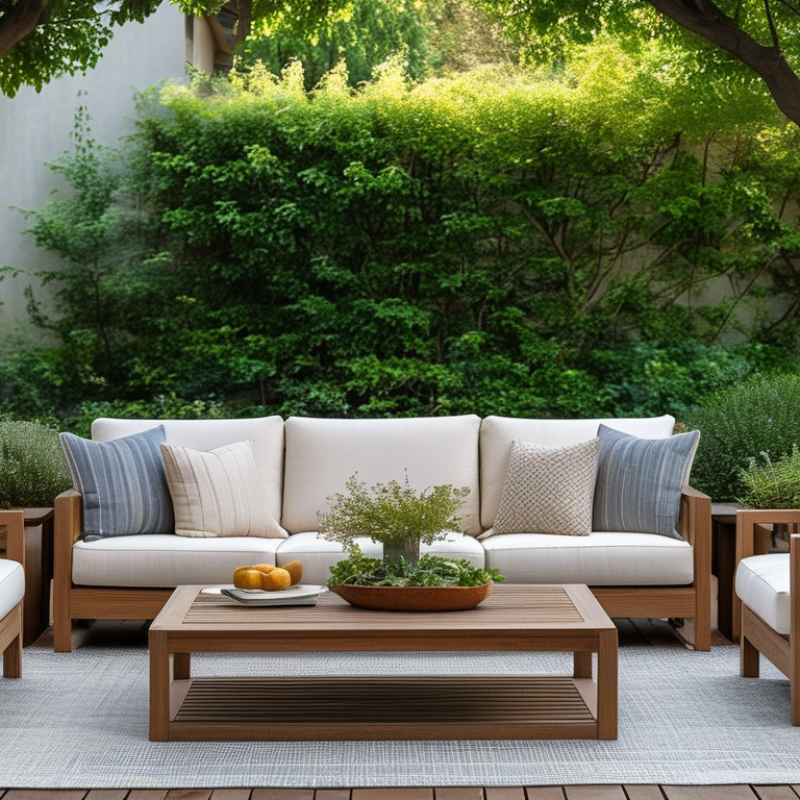
Outdoor patio furniture refers to a variety of furnishings suitable for outdoor spaces, such as gardens, decks, or patios. It includes items like chairs, tables, loungers, and umbrellas. The design and materials used can greatly affect comfort and durability.
Common materials include wood, metal, wicker, and synthetic fibers. Each option brings unique benefits and challenges. For instance, wooden furniture exudes warmth but requires regular maintenance. Metal can be sturdy yet may get too hot under direct sunlight.
Choosing the right outdoor furniture involves understanding your space and needs. Consider the size of your area. Oversized pieces can overwhelm a small patio. Think about how you plan to use the space. Will it be for dining, lounging, or hosting gatherings? Additionally, reflect on the local climate. If you live in a rain-prone area, waterproof options might be a necessity.
Comfort is key, so test seating before purchasing. Ultimately, the best outdoor furniture should blend aesthetics with practicality while reflecting your personal style.
Types of Outdoor Patio Furniture Materials
Choosing outdoor patio furniture requires understanding material types. Each material offers unique benefits and challenges, influencing comfort and durability.
Wood is a classic choice, providing warmth and natural beauty. However, it can warp or rot when exposed to the elements. Regular maintenance is essential, such as sealing or repainting. Consider options like teak, which is more resistant to moisture but also pricier.
Metal furniture, often made from aluminum or steel, is lightweight and durable. It's resistant to rust but may not be as comfortable without cushions. Look for
powder-coated finishes, which can enhance longevity. Lastly, synthetic materials like
resin wicker mimic the look of natural wicker but require less upkeep. While these options are durable, they can fade under harsh sunlight.
Key Features to Consider When Choosing Patio Furniture
When choosing patio furniture, consider comfort first. Cushions should have good support. Test them out by sitting or lying down. Use fabrics that resist fading and moisture. This can save you from frequent replacements.
Durability matters too. Look for materials like aluminum or teak. They can withstand the elements. A reliable finish can increase longevity. Check for weather resistance. Some furniture falls apart after one season.
Think about style and space. Your patio should reflect your taste. Measure your area to avoid overcrowding. Choose pieces that match your home’s exterior. Functionality is key. Folding chairs or extendable tables can be useful. Reflection on these points will guide you.
What is Outdoor Patio Furniture and How to Choose the Best? - Key Features to Consider When Choosing Patio Furniture
| Feature |
Description |
Considerations |
| Material |
The substance from which the furniture is made, such as wood, metal, or plastic. |
Consider durability, maintenance, and aesthetic appeal. |
| Comfort |
How enjoyable the furniture is to use, often related to cushions and ergonomic design. |
Look for cushions that are weather-resistant and comfortable. |
| Size |
Physical dimensions of the furniture pieces. |
Ensure items fit your outdoor space without overcrowding. |
| Weather Resistance |
Ability to withstand outdoor conditions such as rain and sun. |
Opt for UV-resistant and water-resistant materials. |
| Style |
Aesthetic appearance that fits your patio decor. |
Choose a style that complements your home and garden. |
| Price |
The cost of purchasing outdoor furniture. |
Set a budget and compare quality and features. |
Tips for Selecting the Best Outdoor Patio Furniture for Your Space
Choosing the right outdoor patio furniture can transform your space into a cozy retreat. Start by considering your space size. Measure your patio area to ensure you select appropriately sized furniture. Often, people overlook this step, leading to overcrowded or underused areas.
Next, think about your style preferences. Do you prefer modern or traditional designs? Color choices matter too. Neutral tones blend well, while bright colors offer a fun vibe.
Materials also play a crucial role. Weather-resistant options like aluminum or teak withstand the elements better.
Comfort should not be ignored. Sit on chairs before buying. Cushions add comfort but may require upkeep. Lastly, make sure your chosen pieces are easy to move.
Flexibility allows you to adapt the space for different occasions. It's okay if your first choice doesn’t feel right—experiment until you find the perfect fit.
Maintenance and Care for Outdoor Patio Furniture
Outdoor patio furniture needs proper maintenance to ensure durability and longevity. Sun exposure, rain, and dirt can damage these pieces if neglected. Regular cleaning is essential. Use mild soap and water to wipe surfaces. This simple task enhances their appearance and lifespan.
Seasonal care is crucial. Storing furniture during winter is advisable. High-quality covers can protect from harsh weather. Lack of protection can lead to fading or rust. A 2022 report indicated that 30% of homeowners experience quicker wear due to inadequate care. Even small actions, like drying cushions thoroughly, can prevent mold growth.
Be mindful of materials. Wood, metal, and plastic each require different care methods. Teak wood, for example, should be oiled regularly to maintain its richness. Composites might need less, but they can still fade. This diverse nature prompts reflection—understanding specific material needs is vital. Proper maintenance not only saves money but also preserves beauty.