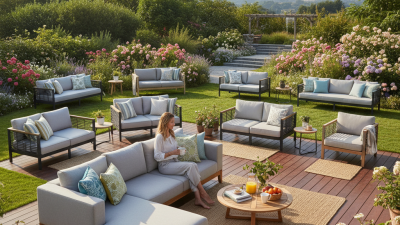
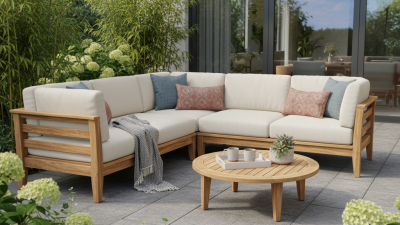
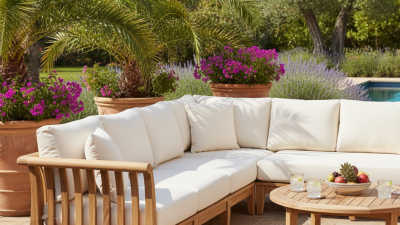
Top 10 Outdoor Furniture Sofas You Need for Your Garden?
When it comes to transforming your garden into a serene retreat, choosing the right outdoor furniture sofa is essential. With many options on the market, finding one that meets your style and comfort needs can seem overwhelming. Exterior spaces deserve carefully curated furniture that enhances both aesthetics and functionality.
Imagine sinking into a plush outdoor furniture sofa while enjoying your morning coffee. This moment can truly elevate your outdoor experiences. Quality materials and thoughtful design are crucial for durability. Invest in weather-resistant fabrics and sturdy frames to ensure longevity. However, not every piece can bring joy. Sometimes it takes trial and error to find the perfect fit.
In the quest for the ideal outdoor furniture sofa, remember to prioritize personal style and comfort. Some sofas might look stunning but offer little support. Others might be cozy yet clash with your garden's vibe. It's essential to balance aesthetics with practicality. Explore various styles, and don't hesitate to make adjustments as needed. Your garden should reflect your personality and create a welcoming atmosphere.
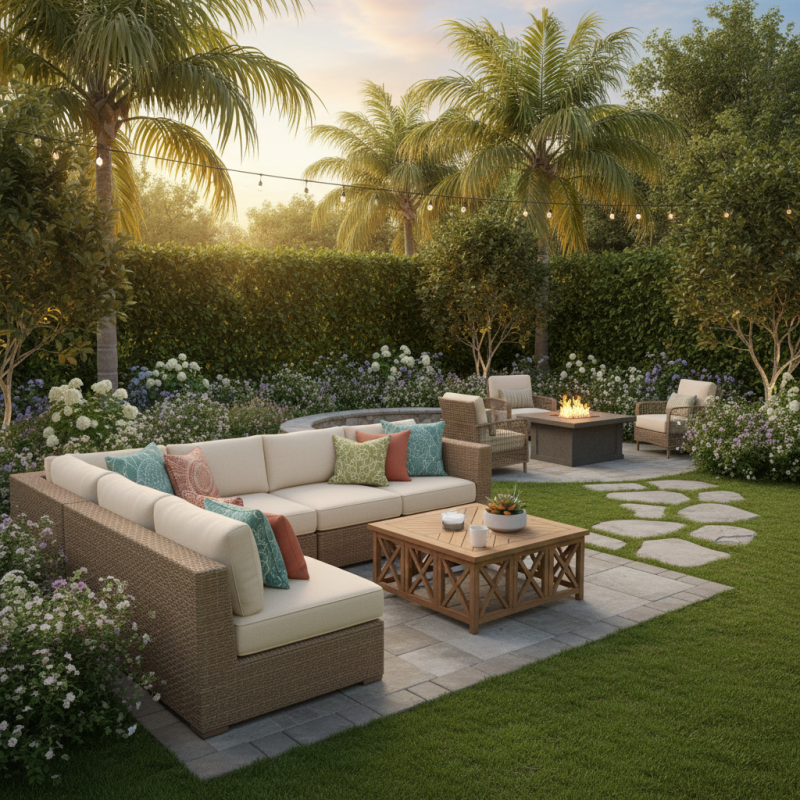
Essential Features to Consider When Choosing Outdoor Furniture Sofas
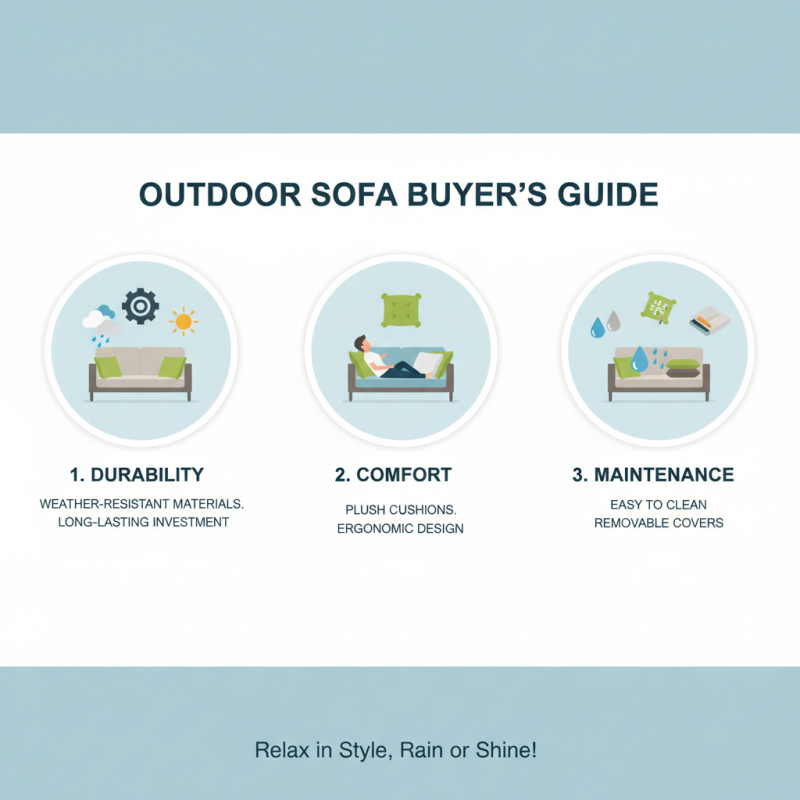
When selecting outdoor furniture sofas, there are essential features to consider. First, focus on durability. Look for materials that withstand various weather conditions. Sofas made from high-quality, weather-resistant fabrics can save you money in the long run. They won’t need frequent replacement.
Comfort is another key feature. Choose sofas with thick cushions for a cozy seating experience. The feel of the fabric matters too. Soft, breathable materials enhance relaxation. Pay attention to the overall design and size. Ensure the sofa fits your garden space without overwhelming it.
Tips: Always test the sofa before purchasing. Sit down and see how it feels. Check if the back support is adequate for long periods. Also, consider the maintenance level. Some materials may require more care than others. Reflect on your lifestyle and how often you’ll use the sofa. This helps in selecting the right piece that merges style and function seamlessly.
Top Materials Used in Outdoor Sofas and Their Durability
When selecting outdoor furniture sofas, the material plays a pivotal role in durability. Common materials include teak, aluminum, and synthetic wicker. Teak wood boasts a natural oil content, making it resistant to moisture and pests. According to a report from the International Journal of Forest Products, untreated teak can last over 50 years outdoors, making it a top choice for longevity.
Aluminum is lightweight and rust-resistant, ideal for coastal areas. Studies indicate that high-quality aluminum frames can withstand extreme weather conditions. This material can also be powder-coated to enhance durability, reducing maintenance needs. However, it may feel a bit chilly in the early morning, so cushions are essential for comfort.
Synthetic wicker, often made from polyethylene, mimics natural rattan but offers greater weather resistance. A report by Furniture Today highlights that high-density polyethylene (HDPE) can remain intact for 10-15 years under UV exposure. While these materials provide great resilience, they may require annual maintenance checks to ensure structural integrity. Some users have reported fading colors after prolonged sun exposure, which can be frustrating. Therefore, it's vital to research and choose materials wisely to avoid unexpected issues.
Stylish Design Trends for Outdoor Furniture Sofas in Gardens
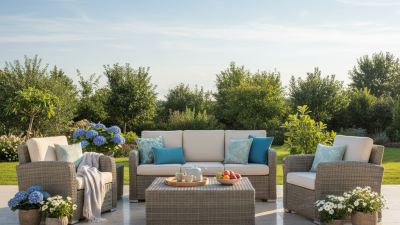
When it comes to outdoor furniture, style matters. Recent trends emphasize comfort without sacrificing aesthetics. Soft, plush cushions invite you to sit back and relax. Natural materials like rattan and teak create a warm, inviting atmosphere. These choices blend seamlessly with lush garden settings.
Color palettes play a pivotal role in design trends. Earthy tones and muted shades are popular. They harmonize with outdoor greenery. However, bold accents provide personality to any outdoor space. A bright throw or patterned cushion can elevate a simple sofa. Mixing textures also adds depth, inviting visual interest.
Sustainability is an important focus too. Eco-friendly materials are becoming increasingly available. Consumers seek out sofas made from recycled or renewable sources. While these choices contribute to environmental well-being, they often come with higher price points. It’s essential to balance eco-consciousness with budget constraints. This evolving landscape encourages continuous exploration of styles and materials.
Best Brands for Quality Outdoor Furniture Sofas
When it comes to outdoor furniture sofas, selecting quality brands is essential. Consumers increasingly prioritize durability and aesthetics in their choices. According to a 2023 market report, over 65% of buyers consider the materials used in outdoor sofas before making a purchase. High-quality materials ensure long-lasting performance, even in harsh weather conditions.
Reputable brands often utilize weather-resistant fabrics and sturdy frames. Aluminum and teak wood are top choices for outdoor structures, providing both stability and style. It’s notable that around 70% of consumers express dissatisfaction with low-cost options within just one year of use. This highlights the importance of investing in trusted brands that offer warranties and proven customer satisfaction ratings.
Yet, even the best brands may have imperfections. Some outdoor sofas may require extra care to maintain their appearance. Regular cleaning and seasonal protection can extend their lifespan. It's crucial to check product reviews and seek recommendations from friends or family who have experience with outdoor furniture. Quality should ultimately outweigh cost.
Maintenance Tips for Keeping Outdoor Sofas in Excellent Condition
Maintaining outdoor sofas is crucial for their longevity. Begin with regular cleaning. Use a mild soap solution and a soft brush to remove dirt and debris. Rinse with clean water. Frequent cleaning prevents dirt buildup, which can wear down the fabric over time. Consider using a vacuum with an upholstery attachment for stubborn particles.
Protecting your outdoor sofa from the elements is vital. Invest in covers to shield your furniture from rain and UV rays. Even the best materials can fade or deteriorate without proper protection. If your sofa has cushions, store them indoors when not in use. Moisture can lead to mold growth, which is tough to eliminate.
Inspect your sofa regularly. Look for signs of wear, like fraying threads or loose frames. Addressing minor issues early can prevent larger problems. Additionally, consider applying a fabric protector to repel stains. This simple step can save time and effort in the long run. Remember, outdoor furniture requires ongoing attention, even if it seems durable.
Top 10 Outdoor Furniture Sofas You Need for Your Garden
| Sofa Model |
Material |
Seating Capacity |
Weather Resistance |
Maintenance Tips |
| Classic Rattan Sofa |
Rattan |
5 |
Water Resistant |
Clean with mild soap, store cushions indoors during rain |
| Modern Sectional Sofa |
Aluminum & Fabric |
6 |
UV Resistant |
Use a soft brush, treat fabric with water repellent |
| Vintage Wood Sofa |
Teak |
4 |
Naturally Weather Resistant |
Regularly oil to maintain finish, clean spills immediately |
| Luxury Sofa Set |
Synthetic Wicker |
8 |
Fade Resistant |
Wipe with damp cloth, store away during winter |
| Compact Balcony Sofa |
Metal & Fabric |
2 |
Rust Resistant |
Remove cushions and clean regularly, use cover |
| Chic Outdoor Sofa |
Polyester |
5 |
Weather Proof |
Machine wash cushion covers, avoid prolonged sun exposure |
| Eco-Friendly Sofa |
Recycled Materials |
4 |
All-Weather |
Clean with environmental-friendly products |
| Luxury Daybed |
Synthetic Rattan |
2-3 |
UV Resistant |
Cover when not in use, gentle cleaning recommended |
| Casual Lounge Sofa |
Fabric & Steel |
6 |
Weather Resistant |
Reinforce with water repellent, clean monthly |
| Outdoor Chaise Lounge |
Aluminum & Textile |
1 |
Corrosion Resistant |
Store indoors during extreme weather, wipe down regularly |