Top 10 Outdoor Sofa Chair Designs for Global Buyers?
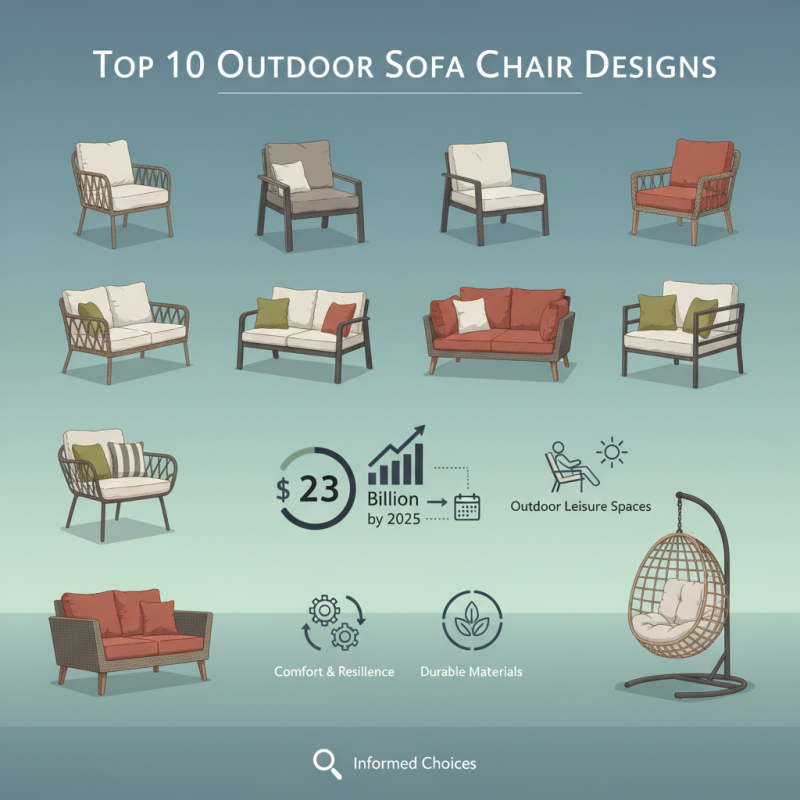
In today's outdoor living market, the demand for quality Outdoor Sofa Chairs has surged. According to a report by ResearchAndMarkets, the global outdoor furniture market is projected to reach $23 billion by 2025. This growth reflects a rising trend in outdoor leisure spaces. Consumers increasingly seek stylish and durable outdoor seating options.
Expert designer, Laura Bennett, emphasizes, "An outdoor sofa chair blends comfort with resilience, essential for modern outdoor spaces." This insight highlights the need for functional yet aesthetically pleasing designs. Outdoor Sofa Chairs now come in various materials, including weather-resistant wicker and durable aluminum frames.
However, not all products meet customer expectations. Some consumers report issues with comfort and longevity. This inconsistency prompts buyers to research thoroughly before making a purchase. Understanding the design and materials used can lead to informed choices. Exploring the top ten Outdoor Sofa Chair designs can navigate the complexities of today's outdoor furniture landscape.
Exploring the Importance of Outdoor Sofa Chairs in Modern Landscaping
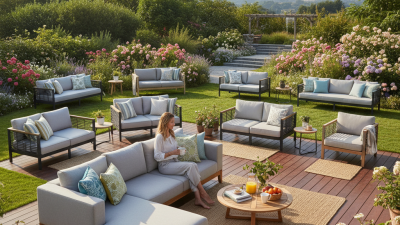
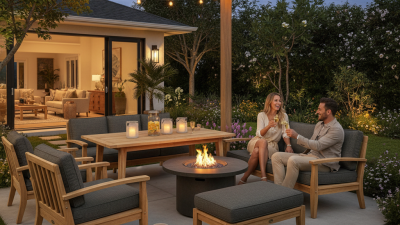
Outdoor sofa chairs play a pivotal role in modern landscaping. They enhance the aesthetic appeal of outdoor spaces. As homeowners seek comfort and style, these chairs become essential. Their design flexibility allows them to fit various landscapes.
From gardens to patios, they add character. Each piece can create a unique atmosphere.
Choosing the right outdoor sofa chair involves careful thought. Weather-resilient materials are crucial. Comfort should never be sacrificed for aesthetics. Many designs prioritize looks over functionality, which can lead to disappointment. A chair may look inviting but lack support. Buyers should test for comfort first. Reflecting on personal needs is vital before making a choice.
These chairs also foster socialization. A well-placed sofa chair encourages gatherings and conversations. It can turn an ordinary space into a welcoming retreat. However, the challenge lies in selecting a design that resonates with personal taste. Trends change, and what's popular today might not appeal tomorrow. A balance between timeless design and current trends is necessary for lasting satisfaction.
Key Materials Used in Outdoor Sofa Chair Manufacturing
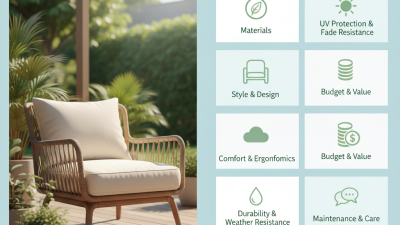
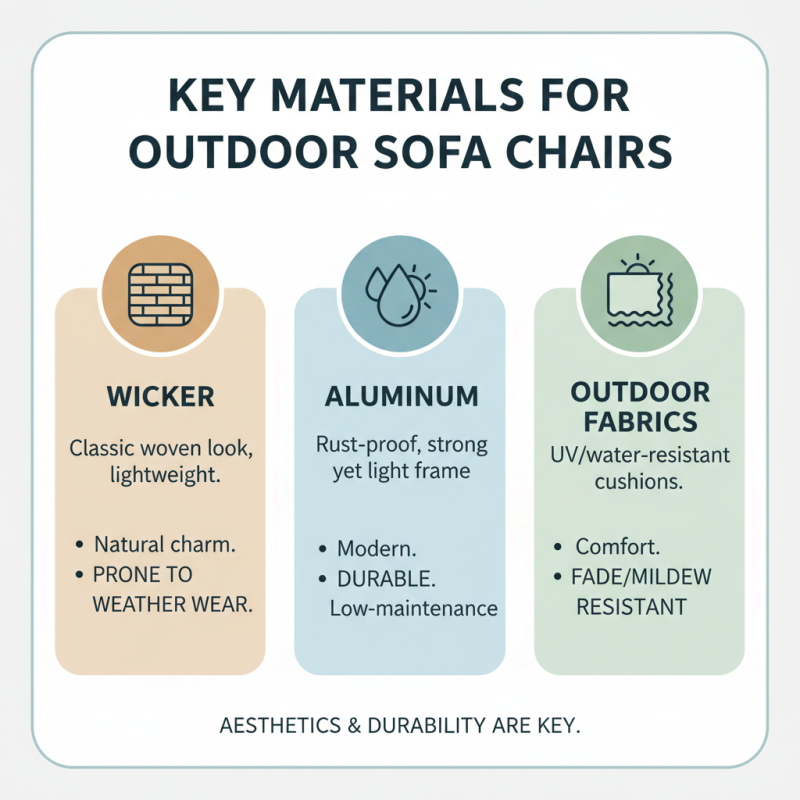
When exploring outdoor sofa chair designs, the choice of materials is crucial. Options vary widely and can significantly affect aesthetics and durability. Wicker, for example, offers a classic look and lightweight nature. It’s popular for its woven texture, adding charm to any garden or patio. However, wicker can wear down over time, especially under harsh weather.
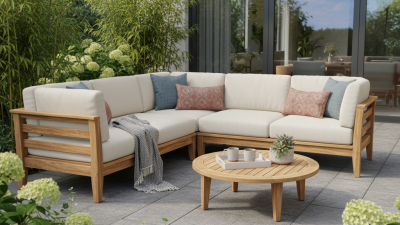
Another common material is aluminum. This metal is lightweight and resistant to rust. Aluminum frames combine strength with sleek designs. However, they may become hot to the touch when exposed to direct sunlight. Wood, like teak, provides a natural and timeless appeal. Its rich tones are striking, yet wood requires regular maintenance to prevent decay.
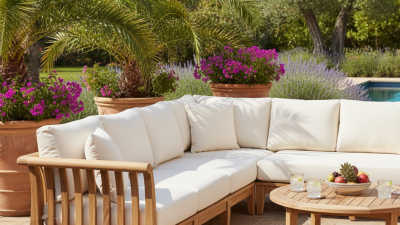
Fabric choices are equally important. Outdoor cushions often use solution-dyed acrylic or polyester. These materials resist fading and moisture, keeping colors vibrant. However, they can feel less breathable than natural fibers. Ensuring comfort is key in outdoor settings. Buyers must weigh durability against aesthetic preferences when selecting materials for outdoor sofa chairs.
Innovative Designs: Trends Shaping Outdoor Sofa Chair Aesthetics
Outdoor sofa chairs have evolved significantly in recent years. Innovative designs now blend aesthetics with functionality. Lightweight materials and modular designs are common. These allow for easy rearrangement. Buyers seek versatility in outdoor furniture.
Sustainable practices have influenced new trends. Many designs focus on eco-friendly materials. Natural fibers and recycled aluminum are popular choices. The colors tend to be earth tones, reflecting a connection to nature. Textures play a vital role too, with woven finishes adding depth. Each chair tells a story of craftsmanship and care.
Yet, challenges remain. Balancing style and comfort can be tough. Some designs may lack the sturdiness needed for outdoor conditions. Rain and sun can wear down fabrics quickly. Buyers need to be mindful of these aspects. Reflecting on personal needs is essential when selecting outdoor furniture. Each choice shapes the outdoor experience profoundly.
Choosing the Right Size and Configuration for Your Outdoor Space
When choosing outdoor sofa chairs, size and configuration matter significantly for your space. Research indicates that around 70% of outdoor areas are underutilized due to poorly sized furniture. A chair that overwhelms a small patio or looks tiny on a large deck can hamper the enjoyment of your outdoor area.
To ensure a perfect fit, consider measuring your space precisely. The American Society of Landscape Architects recommends leaving at least 30 inches of walkway space for comfort and movement. A typical outdoor chair should not exceed 32-36 inches in width to avoid blockage. Look for modular designs that allow for rearrangement. This versatility is essential, especially in spaces that serve multiple functions.
Also, don't ignore the height of the furniture. Standard seating is often around 18 inches from the ground, but if you have children or elderly guests, lower options may enhance accessibility and comfort. Be mindful of how various configurations, like sectional sofas or individual chairs, can alter the flow of outdoor activity. A well-thought-out arrangement can improve both aesthetics and functionality. Reflect on your needs and try different layouts before making a final decision. This process can lead to unexpected revelations about your space's potential.
Top Brands Leading the Outdoor Sofa Chair Market Globally
The outdoor sofa chair market is booming. Data from industry reports indicate a steady growth rate of around 5% annually. This increasing demand reflects shifting consumer preferences towards outdoor living spaces. More people want to maximize their gardens, patios, and balconies.
Leading brands in this market focus on innovation and sustainability. High-quality materials are essential. Many brands emphasize weather-resistant fabrics and durable frames. Yet, not all designs meet the longevity expectations of buyers. Customers often seek longevity but discover that some products wear down quickly.
Consumer feedback indicates a need for better ergonomic designs as well. Comfort should not be sacrificed for aesthetics. Many buyers notice a disconnect between visual appeal and actual usability. Addressing these concerns can elevate brands significantly. With the right balance, companies can build trust and enhance their market presence.
Top 10 Outdoor Sofa Chair Designs for Global Buyers