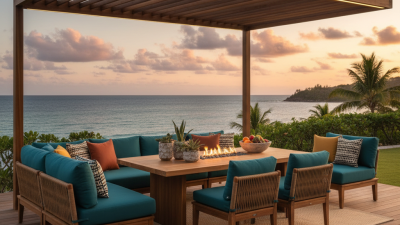
China Top Outdoor Furniture Sofa for Comfortable Living?
In recent years, the demand for Outdoor Furniture Sofa has surged significantly. According to a report by Grand View Research, the global outdoor furniture market is projected to reach over $30 billion by 2027. This growth illustrates a shift toward enhancing outdoor living spaces, driven by the desire for comfort and style in nature.
However, not all outdoor furniture meets consumer expectations. Some products fail to withstand harsh weather, leading to frequent replacements. The material quality directly impacts durability and comfort. Choosing the right Outdoor Furniture Sofa requires careful consideration of these factors.
Moreover, there is a clear preference for eco-friendly materials among consumers. A survey by IBISWorld revealed that 45% of buyers prioritize sustainability in their purchasing decisions. This shift presents both challenges and opportunities for manufacturers. Adapting to consumer preferences while ensuring high-quality design is essential. Additionally, companies must reflect on their environmental impact and strive for better practices. The balance of style, comfort, and sustainability remains a critical discussion point in the industry.
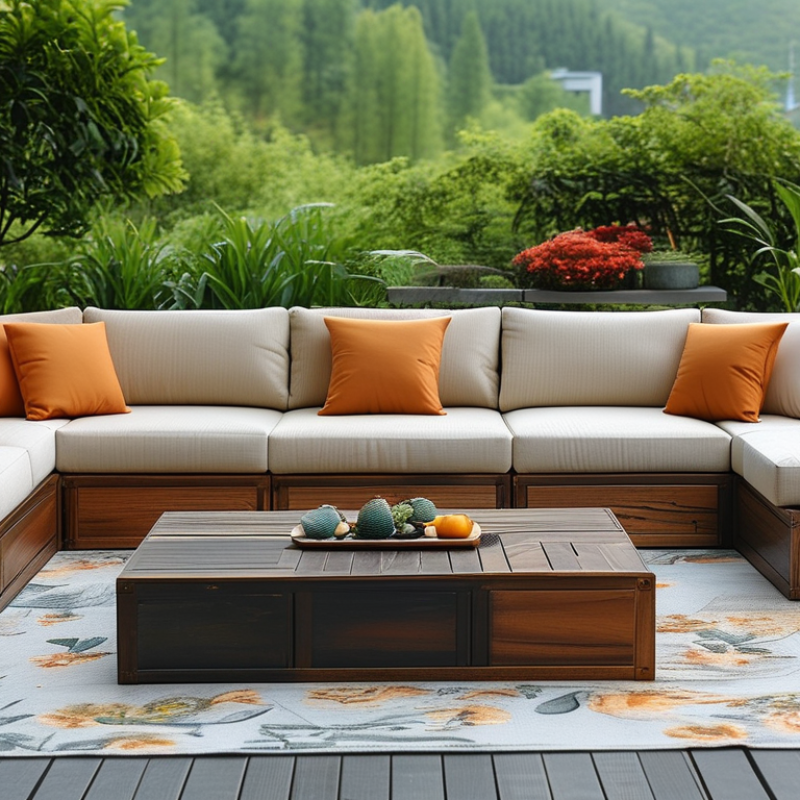
Understanding the Importance of Outdoor Furniture in China
Outdoor furniture plays a vital role in enhancing living spaces in China. A significant portion of urban dwellers now prioritizes their outdoor areas, seeking comfort and style. According to a recent report from the China Furniture Association, the outdoor furniture market is expected to grow by over 15% annually. This growth reflects a shift in lifestyle, with more people valuing relaxation in outdoor settings.
Comfortable outdoor sofas have become a popular choice. They transform balconies, gardens, and patios into inviting retreats. Many households aim for cohesion between indoor and outdoor designs, seeking modern aesthetics. Data shows that 47% of consumers believe quality outdoor furniture boosts their home’s overall appeal. However, not all outdoor furniture is designed to withstand China’s diverse climate, leading to a need for better materials and construction.
Investing in durable outdoor furniture can be challenging. Consumers often face choices that are expensive or not climate-appropriate. Many may overlook the importance of maintenance, which can drastically affect longevity. Reports indicate that with proper care, well-made outdoor sofas can last over a decade. Yet, neglect often leads to quick deterioration. Awareness of these factors can lead to more informed purchasing decisions.
Key Features of Top Outdoor Furniture Sofas
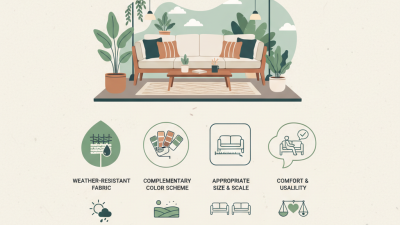
When selecting an outdoor furniture sofa, comfort should be at the forefront of your mind. Key features of top outdoor furniture sofas include weather-resistant materials, ergonomic designs, and versatile configurations. According to industry reports, around 70% of consumers prefer materials like aluminum and high-density polyethylene, which offer durability and low maintenance.
Looking for comfort? Consider plush cushions made from quick-drying foam. These cushions should resist fading and mildew, ensuring longevity even in the elements. A well-designed outdoor sofa can elevate your space, providing a cozy retreat while enhancing your outdoor aesthetics. Remember to check the warranty on materials—it can indicate long-term durability.
Tips: Choose a sofa with an adjustable backrest for added comfort. Having multiple configurations allows you to adapt the space for gatherings or relaxation. Lastly, check customer reviews; they often shed light on real-world comfort and usability.
Popular Materials Used in Outdoor Furniture Design
Outdoor furniture is essential for creating a comfortable living space outside your home. Choosing the right materials can make a big difference in both aesthetics and durability. Common materials include aluminum, wicker, and teak, each offering unique benefits.
Aluminum is lightweight and resistant to rust. It is easy to move and maintain. However, it can get quite hot under direct sunlight, which is worth considering. Wicker, often made from synthetic resin, provides a cozy, classic look. It is durable but may fade over time if not protected. Teak is a popular choice due to its natural oils that resist moisture and pests. Still, it requires regular upkeep to maintain its rich color.
The choice of materials impacts not only the furniture's look but its functionality too. People often struggle to find the right balance between style and maintenance. While some materials look great, they may not stand up to the elements. It’s crucial to reflect on your needs and lifestyle before making a decision on outdoor furniture.
Innovative Designs in China's Outdoor Sofa Market
China's outdoor sofa market showcases innovative designs that cater to diverse consumer needs. Manufacturers have embraced new materials that enhance durability, making these sofas suitable for various climates. Innovative weather-resistant fabrics now offer comfort while remaining visually appealing. These changes inspire creativity and draw more consumers into the outdoor furniture sphere.
Designers focus on multifunctional elements, offering versatility for smaller spaces. Some sofas can convert into beds or have built-in storage. This adaptability appeals to urban dwellers facing space constraints. However, balancing aesthetic appeal and functionality is a challenging task. Some designs, while visually striking, may sacrifice comfort. Additionally, the price range varies significantly, leading to confusion among buyers.
Another growing trend is the integration of technology into outdoor furniture. Smart features, like built-in Bluetooth speakers and adjustable lighting, redefine outdoor relaxation. But this shift toward high-tech sofas raises questions about sustainability and long-term use. As the market evolves, consumers must demand reliability alongside creativity. The ongoing challenge is finding harmony between style and practicality.
China Top Outdoor Furniture Sofa for Comfortable Living
This chart represents the percentage of different material types used in innovative outdoor sofas in China. As shown, aluminum leads the market, followed by fabric and wood materials.
Tips for Maintaining Outdoor Furniture for Long-lasting Comfort
Maintaining outdoor furniture is crucial for ensuring its longevity and comfort. Regular care can significantly enhance the lifespan of furniture pieces, which is especially important given the investment many make in high-quality outdoor items. According to a recent report by the Outdoor Furniture Manufacturers Association, well-maintained outdoor furniture can last up to 15 years longer than poorly cared-for pieces.
One essential tip is to clean your furniture regularly. Remove dirt and debris with a soft brush or cloth. For deeper cleans, consider using a mild soap mixed with water. This gentle approach prevents damage while keeping your furniture looking new. Additionally, applying a protective sealant can enhance durability. This practice is often overlooked, yet it can shield against weather wear and UV damage.
Another key aspect is proper storage. During harsh weather, store your furniture indoors or use protective covers. Surprisingly, many homeowners neglect this simple yet effective step. Extreme temperatures and precipitation can wear down materials rapidly, leading to unsightly wear. By taking these preventive measures, you actively contribute to a comfortable outdoor living experience.
China Top Outdoor Furniture Sofa for Comfortable Living? - Tips for Maintaining Outdoor Furniture for Long-lasting Comfort
| Material |
Comfort Level |
Maintenance Tips |
Average Lifespan |
| Aluminium |
High |
Clean regularly, use furniture covers |
10-15 years |
| Teak Wood |
Very High |
Oil treatment every year, avoid direct sunlight |
25-50 years |
| Resin Wicker |
Medium |
Wash with soapy water, avoid abrasive cleaners |
5-10 years |
| Steel |
Medium |
Paint rust spots, cover in winter |
5-10 years |
| Fabric (Cushions) |
High |
Machine wash removable covers, store indoors |
3-5 years |