Discover the Best Outdoor Patio Sofa Trends for 2026?
As we look forward to 2026, outdoor living spaces continue to evolve. Outdoor patio sofas are at the forefront of this transformation. According to renowned outdoor furniture designer, Emily Carter, “The right outdoor patio sofa can redefine your backyard experience.” Her expertise highlights the importance of blending style and comfort.
Trends are shifting towards sustainable materials and innovative designs. Consumers now seek durability and aesthetics in their outdoor patio sofas. Unique textures and vibrant colors are emerging, appealing to those looking to create inviting spaces outdoors. The market sees more eco-friendly options to align with changing consumer values.
However, selecting the perfect outdoor patio sofa can be daunting. With numerous materials and styles available, discerning quality can take time. Understanding your personal style and needs is essential. Embrace the challenge of personalizing your outdoor area while considering longevity and maintenance.
Overview of Outdoor Patio Sofa Trends Anticipated for 2026
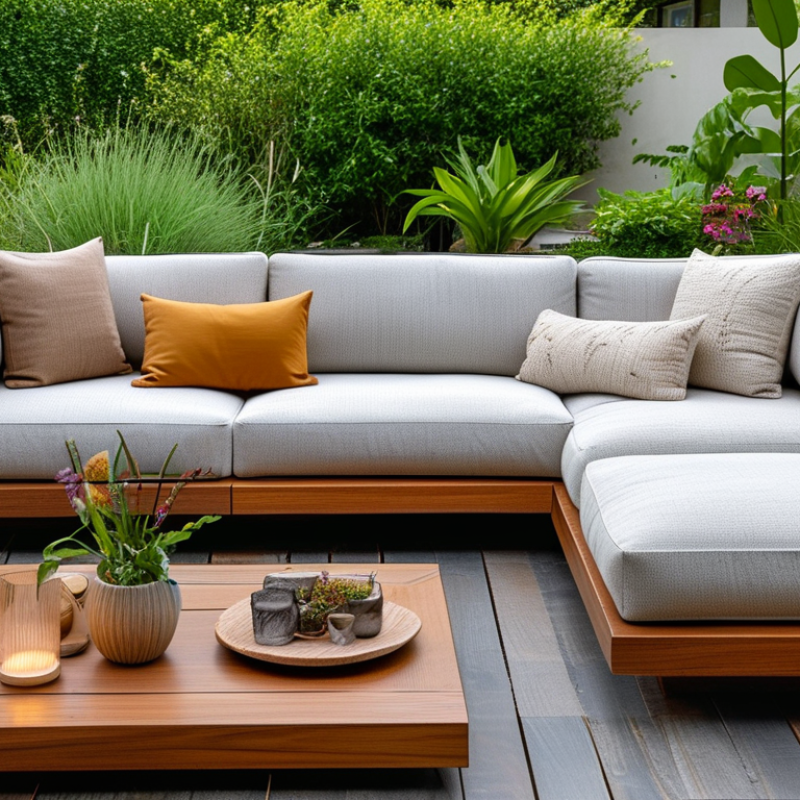
The outdoor patio sofa trends for 2026 are shaping up to be both innovative and stylish. Environmental consciousness is becoming a priority. According to a recent industry report, 72% of consumers prefer sustainable materials. Designers are responding by incorporating recycled textiles and sustainably sourced woods into their collections. This shift not only reduces environmental impact but also appeals to a growing demographic of eco-conscious buyers.
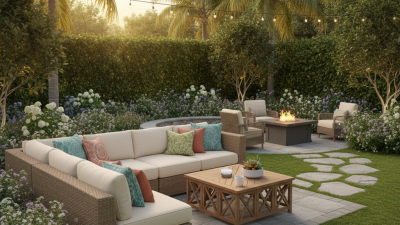
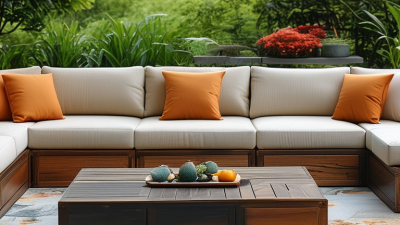
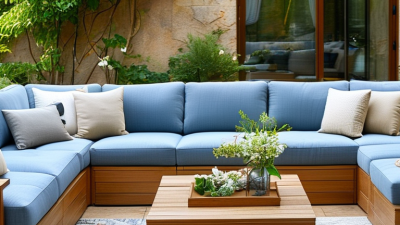
Color palettes are evolving as well. Neutral tones, such as taupe and soft greens, will dominate in 2026. Bright, bold hues like deep blues and fiery oranges are expected to offer contrast. Designers recognize that these color choices can enhance relaxation and socialization in outdoor settings. Engaging textures will also play a role. Woven fabrics and plush cushions will make outdoor spaces as inviting as indoor areas.
Flexibility in design is another anticipated trend. Multi-functional sofas are gaining traction, allowing users to reconfigure layouts easily. This adaptability is crucial as outdoor spaces vary greatly in size and function. While these trends are exciting, challenges remain. Balancing durability with aesthetic appeal is a complex task for manufacturers. It requires continuous innovation and a deep understanding of consumer needs. The outdoor patio space is set to transform, but it must evolve with careful consideration.
Outdoor Patio Sofa Trends for 2026
This chart showcases anticipated trends in outdoor patio sofas for 2026, highlighting the popularity of different materials and styles.
Key Materials Dominating Outdoor Furniture: Weather Resistance and Sustainability
As we look towards the outdoor patio sofa trends for 2026, key materials emerge as vital players in the landscape of outdoor furniture. Weather resistance remains paramount. In recent years, over 60% of consumers prioritized durable materials that withstand harsh conditions. Options like high-density polyethylene and aluminum framing significantly contribute to this trend. They promise longevity and low maintenance, appealing to eco-conscious buyers.
Sustainability is now a driving force behind material selection. A 2023 industry report revealed that over 45% of consumers prefer furniture made from recycled or sustainably sourced materials. Brands that adopt sustainable practices often see a boost in consumer trust and loyalty. This shift aims to cater to the growing demographic that values environmental impact as much as aesthetics.
Tips for selecting outdoor sofas include assessing the quality of materials. Look for furniture that lists UV protection and rust-resistant features. Opting for pieces made from renewable resources can enhance personal sustainability. Keep in mind, however, that not all eco-friendly materials perform equally well in various climates. Testing the durability in your specific environment is essential. Be prepared for trade-offs between style and practicality when choosing your next outdoor piece.
Color Palettes and Design Styles Expected to Flourish in 2026
In 2026, outdoor patio sofas will showcase vibrant color palettes and innovative design styles. Expect warm earthy tones to dominate. Deep terracotta, olive green, and soft sandy hues will create a natural ambiance. These colors resonate with nature, promoting relaxation.
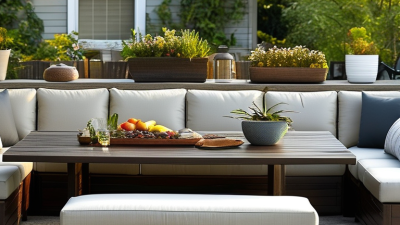
Design styles will lean towards minimalism infused with organic shapes. Curved lines will replace sharp edges, fostering a cozy feel. Expect materials that blend aesthetics with sustainability. Recycled fabrics and eco-friendly woods will rise in popularity. Textures will also play a pivotal role, with woven elements adding depth.
However, not every trend will suit every outdoor space. Some may find minimalist styles too stark. The challenge lies in balancing trends with individual preferences. A thoughtfully curated outdoor setting should reflect both style and comfort. Embracing imperfection will become key. This encourages personal expression in outdoor design.
Influence of Smart Technology on Outdoor Patio Sofa Design
Smart technology is revolutionizing outdoor patio sofa design. Homeowners now seek seamless integration of comfort and innovation. Imagine a sofa that adjusts its heating and cooling based on weather changes. This level of adaptability provides an upgraded outdoor experience.
Sensors can detect the number of people seated. Sofas can shift cushions to provide optimal support. This ensures every guest is comfortable. Smart features also promote energy efficiency. Sofas can cleverly manage integrated lighting to create the perfect ambiance for an evening gathering.
However, not all designs manage to harmoniously blend technology with aesthetics. Some smart sofas may appear bulky or overly technical. There's a risk of sacrificing style for functionality. Homeowners often notice this imbalance. A successful fusion of form and function remains essential for outdoor spaces. Balancing technological advancements with elegant design continues to be a challenge for designers.
Market Insights: Projected Growth of the Outdoor Furniture Sector by 2026
The outdoor furniture market is poised for significant growth by 2026. According to a recent industry report, the global outdoor furniture market is expected to reach $30 billion. This represents a compound annual growth rate of approximately 5.5%. Rising disposable incomes and an increasing interest in outdoor living spaces contribute to this trend.
The demand for outdoor sofas, in particular, has seen a notable rise. Consumers are looking for stylish yet durable options that withstand various weather conditions. The availability of eco-friendly materials is also attracting environmentally-conscious buyers. Innovations in design, such as modular sofas that easily adapt to different spaces, are gaining popularity.
However, challenges remain. Quality control can be an issue, as not all manufacturers maintain high standards. Product durability varies, leading to customer dissatisfaction. Manufacturers face pressure to innovate while keeping prices competitive. Addressing these concerns will be essential for sustained market growth. As we approach 2026, understanding consumer preferences will be crucial for success in the outdoor furniture sector.